
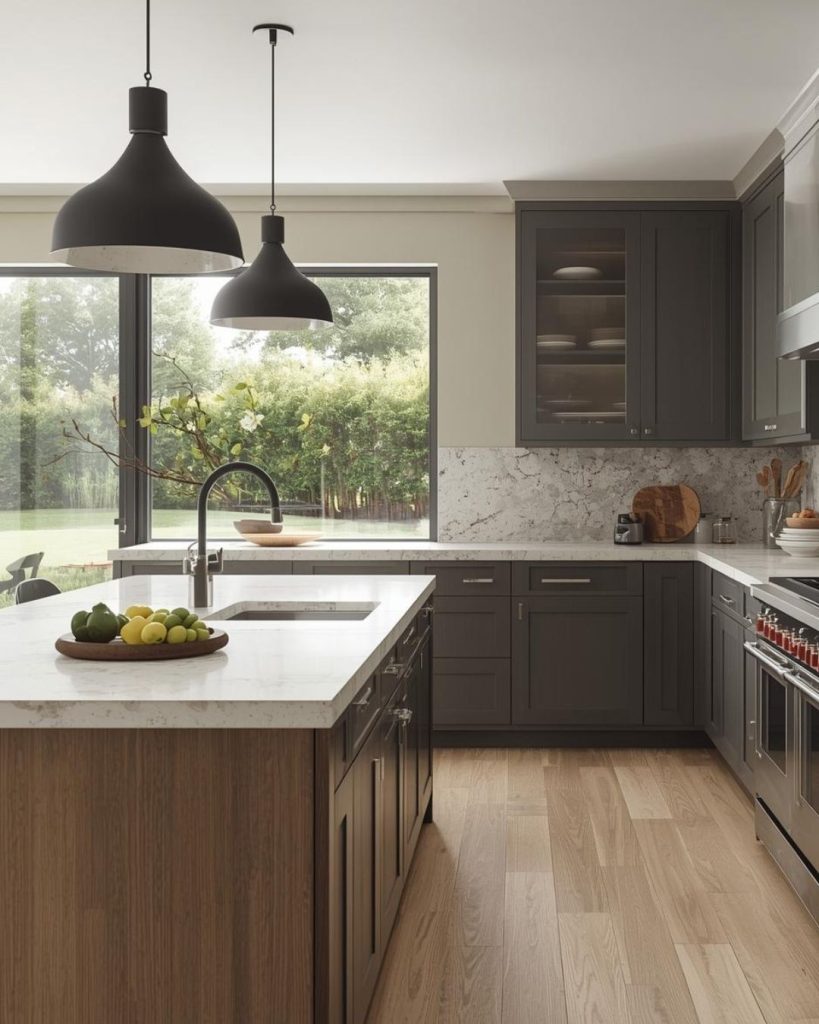
What Is Involved in a Kitchen Renovation in Maidenhead?
A kitchen renovation involves more trades, more stages and more sequencing dependencies than most homeowners expect before they start. The kitchen is the one room where plumbing, electrical work, structural alterations, fitting, tiling and decoration all intersect — and where each stage cannot begin until the previous one has been done correctly. Getting the sequence wrong, or leaving any stage unplanned until it becomes urgent, costs considerably more to resolve once the kitchen is installed than it would have cost to do it correctly from the start.
This post walks through the full process of a kitchen renovation in Maidenhead — what happens at each stage, what trades are involved, how long each stage takes, and what homeowners need to understand before the project begins.
Stage 1 — Design and Planning
Everything that happens on site depends on the design being confirmed before work starts. The kitchen layout, appliance positions, sink location, and any structural alterations — wall removals, new openings — all need to be fixed before a contractor is appointed and any ordering begins.
For the most common kitchen renovation scenario in Maidenhead’s inter-war and post-war semis — an open-plan conversion removing the wall between the kitchen and dining room alongside a full kitchen refit — the structural decisions need to be made first. Is the wall load-bearing? Almost certainly yes on properties built before 1970. That means a structural engineer’s calculations are needed before the kitchen design is finalised, because the beam size and the padstone positions affect where units can be positioned against that wall.
Changes made after first fix has started cost more than the original scope. Changes made after fitting has begun cost significantly more. Confirming the design before any work starts is not a luxury — it is the single most important thing you can do to keep the project on budget.
Stage 2 — Strip-Out
The first physical stage. Everything comes out — existing units, worktops, appliances, flooring, and in most cases the wall tiles and plasterwork behind them. For Maidenhead’s older properties where original pipework has been modified over decades, a full strip-out establishes what is actually there before the new kitchen plan commits to connection positions. Strip-out on a standard Maidenhead kitchen takes one to two days.
Stage 3 — Structural Work
Any structural wall removals or alterations happen immediately after strip-out. For the open-plan conversion most common on Maidenhead’s inter-war semis: temporary propping, removing the wall, installing the steel beam, setting padstones, removing the temporary props, and arranging the building control inspection. The inspector needs to see the beam in position before plastering covers it — this inspection is not optional. Structural work on a standard through-wall conversion typically takes three to five days including the building control inspection.
Stage 4 — First Fix Plumbing and Electrics
First fix is where supply and waste pipework and electrical cables are routed to the confirmed positions before walls are plastered and floors are laid. The plumber runs hot and cold supply to the sink position, roughed-in connections for the dishwasher, washing machine, fridge water supply and any other plumbed appliances. The electrician runs cables to every socket position, the cooker connection, the extractor fan circuit and under-cabinet lighting.
Both trades work from the confirmed kitchen plan. Every connection needs to emerge in exactly the right position relative to the unit layout. On Maidenhead properties where the kitchen is being extended into a rear extension at the same time, first fix needs to be installed before the extension is plastered. First fix plumbing and electrics typically take two to three days.
Stage 5 — Plastering and Drying
Once structural work and first fix are complete, walls are replastered where surfaces have been disturbed. New plasterwork needs to dry fully before tiling — fresh plaster tiled over before it has cured will move as it dries and cause tile adhesion failures. In a Maidenhead autumn or winter, this takes longer than in spring or summer. Allow around one week to reach tiling-ready condition on a standard replastering scope. Rushing this stage is one of the most common causes of early tile failures on kitchen renovations.
Stage 6 — Kitchen Fitting
Units, worktops and appliances are installed once the substrate is dry and ready. For Maidenhead’s higher-specification kitchens with undermount sinks in stone worktops, the sink position needs to be communicated to the worktop fabricator at the template stage — the hole is cut at the fabricator, not on site. Fitting typically takes two to five days depending on the complexity and size of the kitchen.
Stage 7 — Tiling
Wall tiling follows fitting — the tiler works around installed units and worktops. The sequence is fitting first, tiling second. Tiling before units are fitted means the tile work gets damaged when units are installed. Tiling typically takes one to three days.
Stage 8 — Second Fix and Commissioning
Second fix connects and commissions everything roughed in at first fix. Sink waste and supply connected and tested. Dishwasher, washing machine and fridge supply connected. Sockets installed and circuits tested. Under-cabinet lighting connected. Cooker and extractor commissioned. Second fix is typically one day. The electrician issues a Part P certificate for any new circuits installed.
Stage 9 — Flooring and Decoration
Floor covering is installed once second fix is complete. Decoration — painting walls, ceiling and any exposed woodwork — typically follows or runs alongside flooring.
How Long Does It Take in Total?
For a standard kitchen renovation on a Maidenhead semi with an open-plan conversion:
- Strip-out: 1–2 days
- Structural work and inspection: 3–5 days
- First fix: 2–3 days
- Plastering and drying: 7–10 days
- Fitting: 2–5 days
- Tiling: 1–3 days
- Second fix: 1 day
- Flooring and decoration: 2–4 days
Total on-site: three to five weeks for a standard scope. Where a rear extension is included, add four to eight weeks for the extension build before the kitchen stage begins.
If you are planning a kitchen renovation in Maidenhead and want to discuss the scope and programme, get in touch and we will come out to look at the property.